7 Essential Steps to Travel and Experience the Sardine Run in South Africa
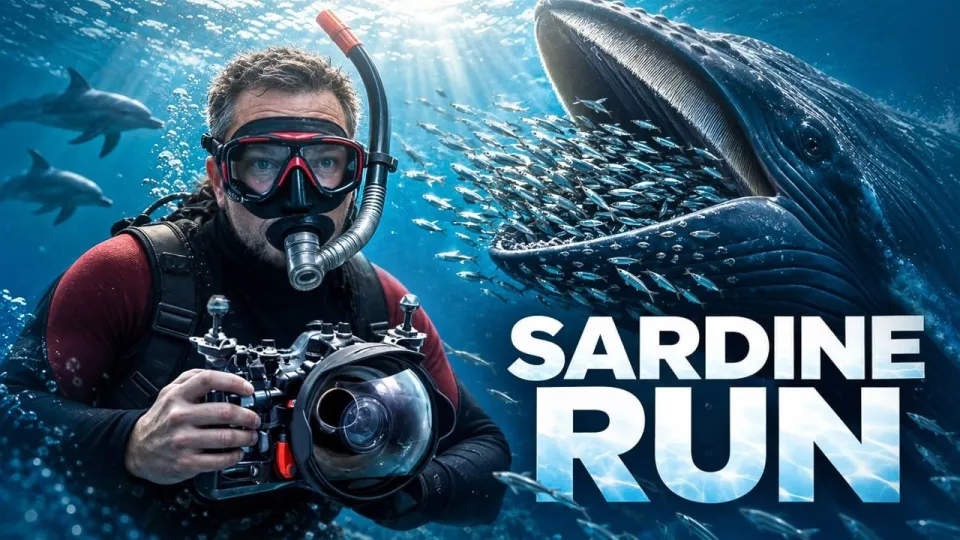
Video: I Spent a Week Chasing the Sardine Run in South Africa
· based on the channel ZAVID OFF
Key takeaways
- The Sardine Run is the largest marine feeding frenzy on Earth involving millions of sardines.
- Mbotyi on South Africa's Wild Coast is a prime location to witness the Sardine Run.
- SEAL Expeditions offers guided tours with boat launches and expert crews.
- Key wildlife includes dolphins, sharks, Bryde's whales, and seabirds feeding on sardines.
- Preparation involves travel via Johannesburg or Durban and staying at Mbotyi River Lodge.
Understanding the Sardine Run and Why It Matters for Travel
The Sardine Run is an extraordinary natural phenomenon occurring annually along South Africa’s Wild Coast, where millions of sardines migrate in vast shoals. This event triggers one of the largest marine feeding frenzies on Earth, attracting dolphins, sharks, whales, and seabirds. For travelers seeking a unique wildlife spectacle, experiencing the Sardine Run offers unparalleled opportunities for adventure and nature observation.
How to Reach South Africa's Wild Coast and Mbotyi
Travelers aiming to see the Sardine Run typically fly into Johannesburg or Durban as major international gateways. From Durban, the journey continues to Mbotyi, a remote village on the Wild Coast known for its pristine beaches and proximity to the Sardine Run.
Mbotyi River Lodge is the preferred accommodation for visitors, offering access to boat launches and expert guides. The lodge provides an authentic experience with comfortable rooms, local cuisine, and a chance to immerse in the area's culture.
Preparing for the Sardine Run Expedition with SEAL Expeditions
SEAL Expeditions organizes the Sardine Run tours, supplying boats, experienced crews, and necessary gear. Guests participate in early morning surf launches to reach prime sardine locations. Key preparation steps include:
- Packing appropriate wetsuits and snorkeling or diving equipment.
- Learning safety protocols for open water and wildlife encounters.
- Understanding the local marine environment to maximize sightings.
These preparations ensure safe and successful participation in the feeding frenzy.
Spotting Sardines and the Dramatic Feeding Frenzy
Finding the sardines involves coordinated efforts such as spotter flights and observing the behavior of seabirds and dolphins, which herd sardines into dense bait balls. Watching these bait balls is a highlight, as they attract predators including sharks and Bryde's whales.
Travelers witness dolphins packing sardines tightly, seabirds diving sharply like arrows, and sometimes get the rare chance to swim near a Bryde's whale, offering intimate wildlife interactions.
Additional Wildlife and Scenic Experiences in Mbotyi
Beyond the Sardine Run, Mbotyi offers encounters with humpback whales, common and bottlenose dolphins, and spectacular natural features like the Magwa Falls and waterfalls that cascade directly into the ocean.
Visitors can enjoy microlight flights over canyons and waterfalls or take sunset hikes with picnics, blending adventure with relaxation.
Insider Tips and Honest Advice for Sardine Run Travelers
This experience is not glamorous; expect wild surf launches, early mornings, and rustic lodge life. However, the authentic South African braai evenings and vibrant local culture enrich the trip.
The Sardine Run suits adventurous travelers passionate about marine wildlife and willing to embrace the rugged conditions. Planning ahead, choosing guided expeditions, and being prepared for unexpected weather are essential.
Itinerary Summary and Final Thoughts
Traveling to witness the Sardine Run in South Africa involves careful planning, choosing the right location like Mbotyi, and joining expert expeditions such as those by SEAL Expeditions. The event offers breathtaking wildlife encounters with sardines, dolphins, whales, and sharks, along with remarkable natural scenery.
The adventure is challenging but rewarding, giving travelers a rare glimpse into one of the ocean’s most spectacular migrations. For those dreaming of this journey, the ZAVID OFF channel provides an inspiring and honest guide to making it happen.
Enjoy your expedition and keep the spirit of exploration alive!
Questions & answers
When is the best time to see the Sardine Run in South Africa?
The Sardine Run typically occurs annually along South Africa’s Wild Coast during the southern hemisphere winter months, generally between May and July. This timing is ideal for witnessing the massive migration and feeding frenzy.
What wildlife can I expect to see during the Sardine Run?
During the Sardine Run, you can see millions of sardines, dolphins, sharks, Bryde's whales, humpback whales, and various seabirds. The event showcases intense predator-prey interactions and spectacular marine life activity.
How do I get to the best viewing spots for the Sardine Run?
Travelers usually fly into Johannesburg or Durban, then travel to Mbotyi on the Wild Coast. From there, guided expeditions like those by SEAL Expeditions provide boat launches and expert crews to access prime sardine locations.
Is swimming with whales during the Sardine Run safe?
Swimming near Bryde's whales during the Sardine Run is a rare and carefully supervised activity. With proper guidance from experienced crews and safety protocols, it can be a safe and unforgettable experience, but always follow expert advice closely.
Source: I Spent a Week Chasing the Sardine Run in South Africa · Markdown version